The term “higyaku mama” (被虐ママ) refers to a woman who was raised in an abusive or neglectful household and is now navigating parenthood herself.
On this blog, we use the term not as a negative label, but as a working concept for examining how a background of childhood abuse shapes a woman’s experience of parenting today — from within a support perspective.
A higyaku mama does not “become an abusive parent.” Research consistently shows that the vast majority of survivors do not repeat with their own children what was done to them. If anything, they fear causing harm more than anyone. But there is a quiet accumulation of struggle beneath the surface of their parenting. This article explores what that struggle looks like — and how supporters can learn to recognize it.
Turning the Pain Inward
She is watching her child receive what she never had. The child reaches out for comfort, falls asleep feeling safe, expects warmth as something ordinary. Watching this, something complicated stirs inside the higyaku mama — a feeling that has no clean name.
This is not ill will toward the child. It is grief over what she herself never had, taking the shape of something like envy.
“Once you become a parent, you understand how hard it is.” That is what everyone says. And yes, it is hard. The sleepless nights, the unrelenting demands, the exhaustion without end.
But alongside that understanding, a question rises: “If it’s this hard — then why was my parent still able to do that to me?” The more she understands parenting, the less she can make sense of what was done to her.
What it means to love. What a child deserves. She learns these things for the first time through her own child. And each time she does, the outline of what she was never given becomes sharper.
As a child, someone outside the home was kind to her once. A neighbor, a friend’s parent, a teacher — they noticed something, or perhaps just felt sorry. That warmth produced a small flicker of happiness. But returning home, it was always undone.
Freezing When the Child Reaches for Closeness
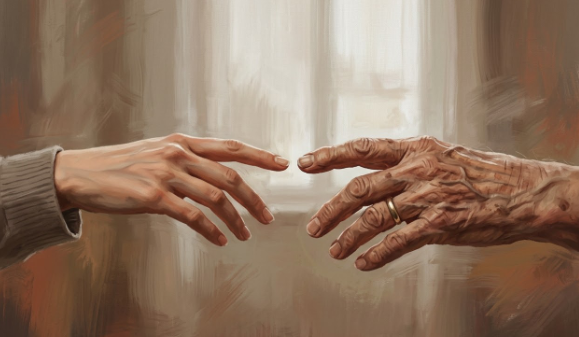
Many higyaku mamas experience intense tension around physical contact with their child. When the child asks to be held, when they cling to her while crying, her body freezes. Her mind says “hold them,” but her arms will not move.
This is not a lack of maternal feeling. It is because the memory of having her own need for embrace rejected is still stored in her body. Reaching out for love and being ignored, or being struck for reaching out — when these experiences accumulate, “seeking emotional closeness” itself becomes encoded in the body as a danger signal.
When a child seeks a bond with their mother with everything they have, two things happen simultaneously inside the higyaku mama: the maternal desire to respond to the child, and a defense response — inscribed in childhood — that says “being asked for love is dangerous.” These two forces collide, and the body freezes.
The result can sometimes resemble psychological neglect. But it is not born from a desire to hurt the child. It is born from a defense inside her that is afraid of receiving love.
When “Never Forming Bonds” Becomes a Parenting Pattern
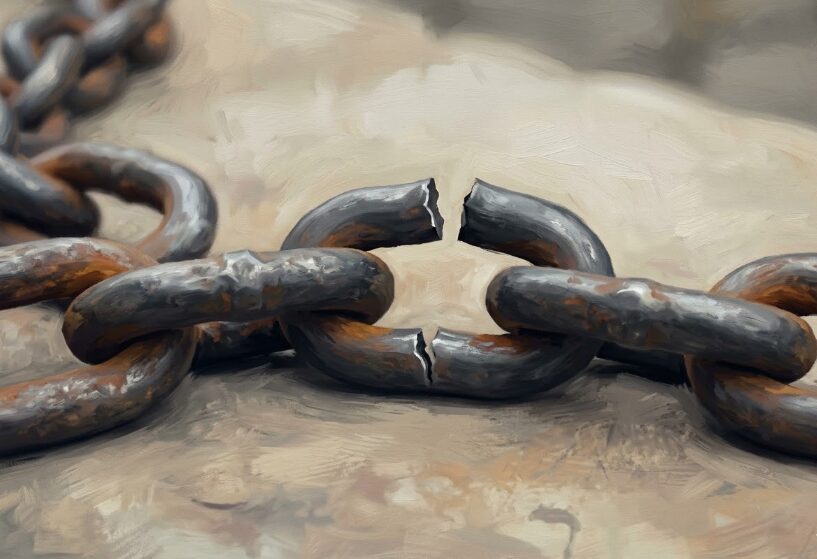
Most higyaku mamas arrived at a conclusion at some point in childhood: “Opening my heart to someone only leads to betrayal.” This was not a thought — it was a survival strategy derived from lived experience.
Seeking love means being rejected. Expecting means being betrayed. If you never expect in the first place, you cannot be hurt. This is how the strategy of “never forming emotional bonds” protected the higyaku mama through her childhood.
The problem is that this same strategy gets carried directly into the mother-child relationship.
A baby seeks emotional closeness with its mother from the moment it is born — with its entire being. Crying, clinging, gazing, smiling. This is a survival instinct, and it is the purest possible message: “I trust you.”
But for the higyaku mama, this wholehearted reaching can trigger fear. “If someone seeks love from me this openly, I will break when I cannot answer.” This is not a conscious thought — it is an automatic reaction occurring deep in the body.
And so the higyaku mama may unconsciously create distance from her own child. Holding times become shorter. Eye contact becomes less frequent. Her voice flattens. She does not want this. Her body is applying the brakes on its own.
What does this distance look like from the outside? And how should a supporter read this scene? From here, we dig into the structure of misunderstanding that actually occurs in support settings.



Comments