“I was the eldest, so I was raised strictly.” “He was the youngest, so he was babied.” Many people frame their upbringing this way, then later — looking back — realize what they actually received was a form of abuse called sibling discrimination.
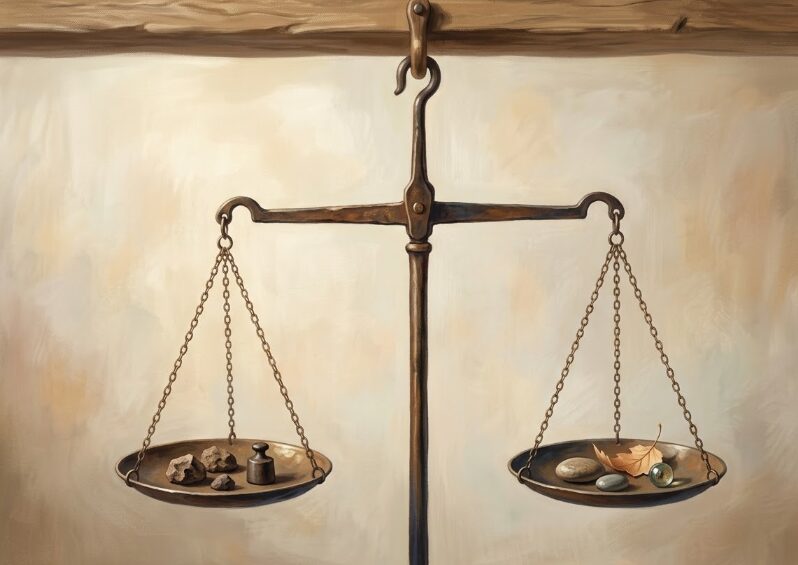
Sibling discrimination is the form of abuse in which one child, inside the home, is treated differently from the others. Same parents, same roof, same dinner table, same family photo — and yet the words said, the things given, the way the child is handled are all visibly different. From outside the family, it looks like an “ordinary household.” The person inside it tries to explain it as “my personality” or “the order I was born in” and accept it. It goes unnoticed; only the impact accumulates.
This article walks through the typical shapes of sibling discrimination, the cases where it leaks beyond the home, and the question of how to face the family later in life.
Why Sibling Discrimination Has Gone Unspoken for So Long
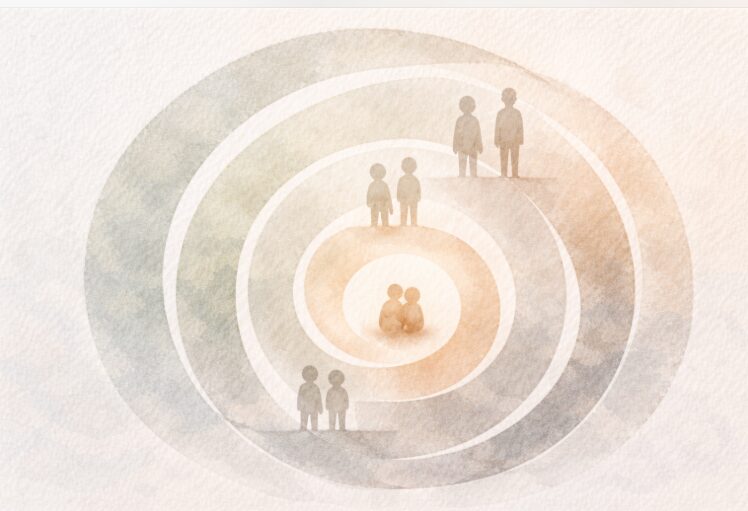
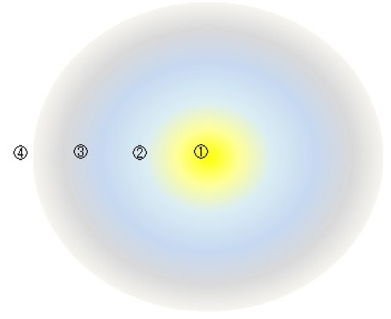
Four layers stack to make it invisible.
The outermost layer is society. Sibling discrimination gets filed as an extension of older Japanese family thinking — “favor the firstborn,” “be strict with the older one and indulge the younger,” “the boy is the heir,” “the girl will marry out anyway.” When the survivor brings it up to relatives or neighbors, what comes back is “every household is like that,” “old families always were.”
The next layer is the parent. They believe they raised the children “fairly” and have no awareness of discriminating. Where they did differentiate, they justify it internally: “she has this kind of personality,” “the older brother is a boy, of course we put more in,” “I was strict with the eldest because I had high hopes for her.”
Inside that, the layer of the siblings themselves. Other siblings often don’t see what is happening. They were the ones favored, or they were neither favored nor scapegoated, and the line of difference falls outside their experience. When the discriminated sibling finally raises it as an adult, the most common response from siblings is “I don’t remember it that way.”
The innermost layer is inside the discriminated child themselves. To survive a home where being treated badly was constant, they learn to explain the difference in a way that is bearable: “I’m the eldest, that’s just how it is,” “I have a difficult personality.” The mechanism that allows them to keep functioning is also the mechanism that hides the abuse.
Typical Shapes of Sibling Discrimination
① Cold air directed only at one
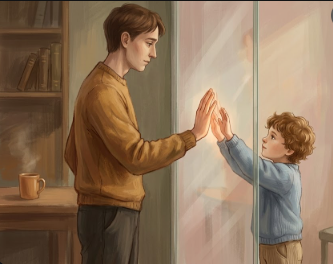
Around her teens, the mother stopped meeting only this daughter’s eyes. With the younger sister and brother she spoke and smiled normally. Whenever the daughter opened the fridge or pulled out a chair, the mother sighed — not at her directly but to the rest of the family at the table — “she’s so noisy.” Any sound the daughter made cooled the room. She started moving through the house holding her breath. On nights she wanted to study late, she couldn’t turn on a light. Reading by the glow of her phone in a corner of the storage room, she’d be caught and accused: “what are you sneaking around for.”
This kind of discrimination doesn’t attack the child directly, which makes it hard to push back against — and adds the secondary guilt of “I am the reason the family is suffering.”

Comments